Udawalawe National Park: Sri Lanka’s Wildlife Haven
Udawalawe National Park: Sri Lanka’s Wildlife Haven
Nestled in Sri Lanka’s southern region, Udawalawe National Park is a captivating escape into the wild. Renowned for its abundant elephant population and diverse ecosystems, Udawalawe is a must-visit destination for nature enthusiasts and wildlife photographers. Covering approximately 30,821 hectares, this park serves as a sanctuary not just for animals but also for travelers seeking serenity and adventure.
A Landscape of Contrasts
Udawalawe's terrain is a blend of open grasslands, shrublands, and riverine forests, interspersed with marshes and the sprawling Udawalawe Reservoir. This diversity creates a stunning backdrop for wildlife sightings and makes the park unique compared to the lush jungles of Yala or Wilpattu.
- Location: Situated about 165 km from Colombo, Udawalawe lies at the crossroads of Sri Lanka’s wet and dry zones. This strategic position contributes to its rich biodiversity.
- Climate: The park enjoys a warm climate year-round, with average temperatures ranging from 29°C to 32°C.
👉 Join our SerenLanka Journeys WhatsApp Channel for insider insights and exclusive updates on Sri Lanka’s top attractions.
Wildlife Wonders
The Gentle Giants
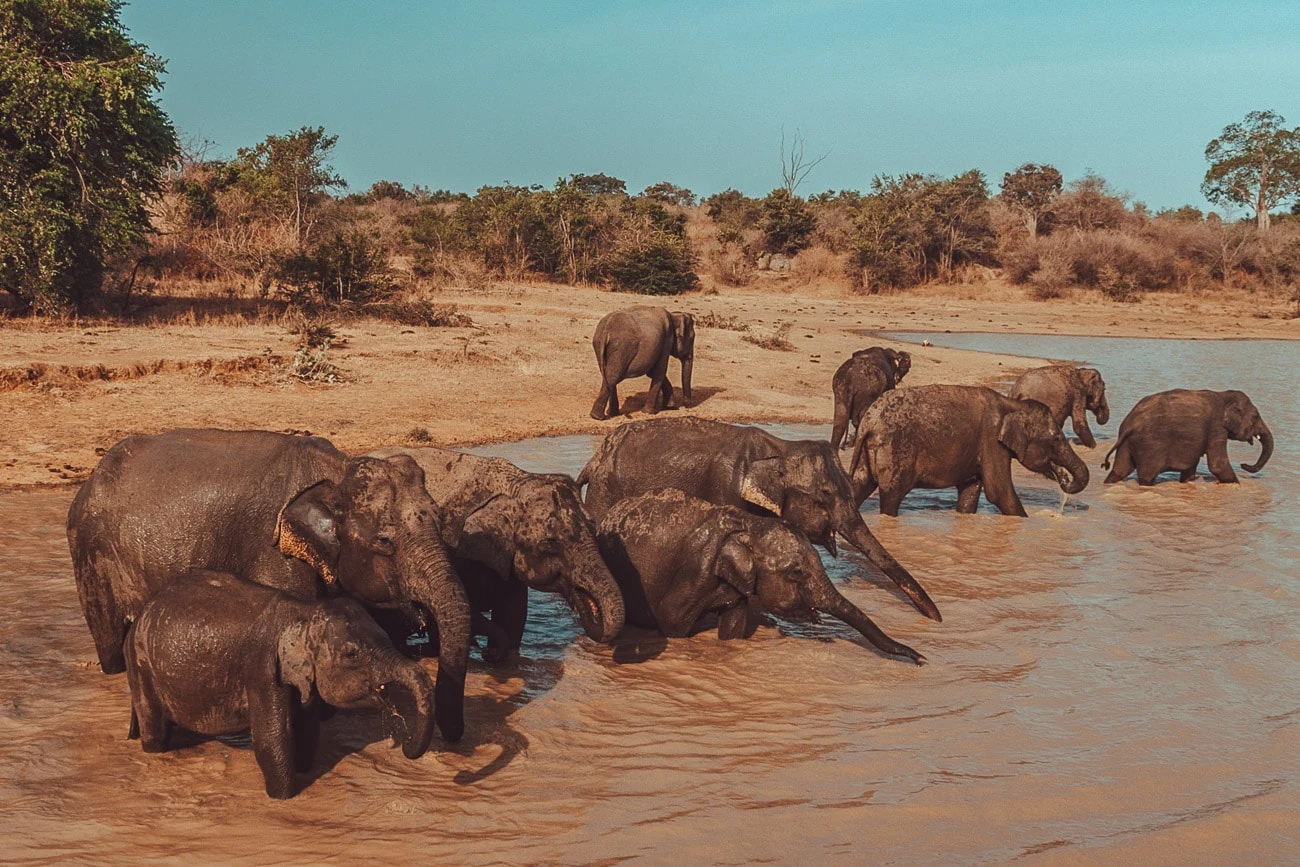
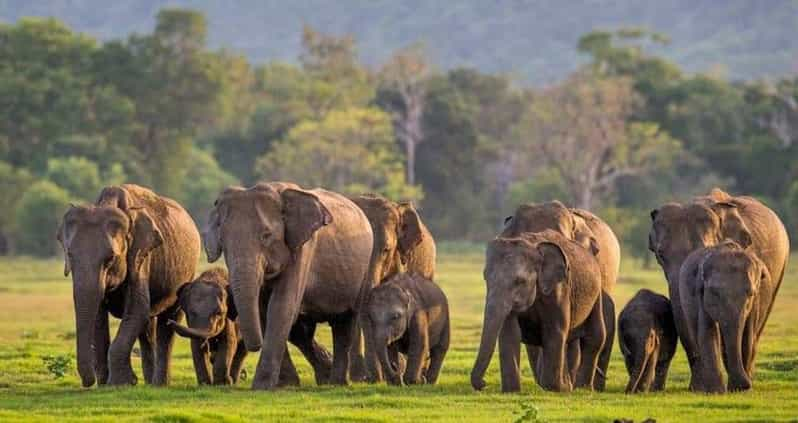
Udawalawe is synonymous with Asian elephants. The park is home to over 500 elephants, making it one of the best places in the world to observe these magnificent creatures in their natural habitat. Visitors can witness herds bathing in the reservoir, calves playing in the mud, and elephants roaming freely.
Other Mammals
- Leopards (elusive but occasionally sighted)
- Sloth bears
- Golden jackals
- Water buffalo
- Fishing cats
Avian Diversity
Birdwatchers will be delighted by the park's vibrant avian population. Udawalawe is home to over 180 bird species, including:
- Crested serpent eagle
- Painted stork
- Sri Lanka grey hornbill
- Malabar pied hornbill

Reptiles and Amphibians
👉 Join our SerenLanka Journeys WhatsApp Channel for insider insights and exclusive updates on Sri Lanka’s top attractions.
Udawalawe Reservoir: A Lifeline for Life
The Human-Elephant Bond
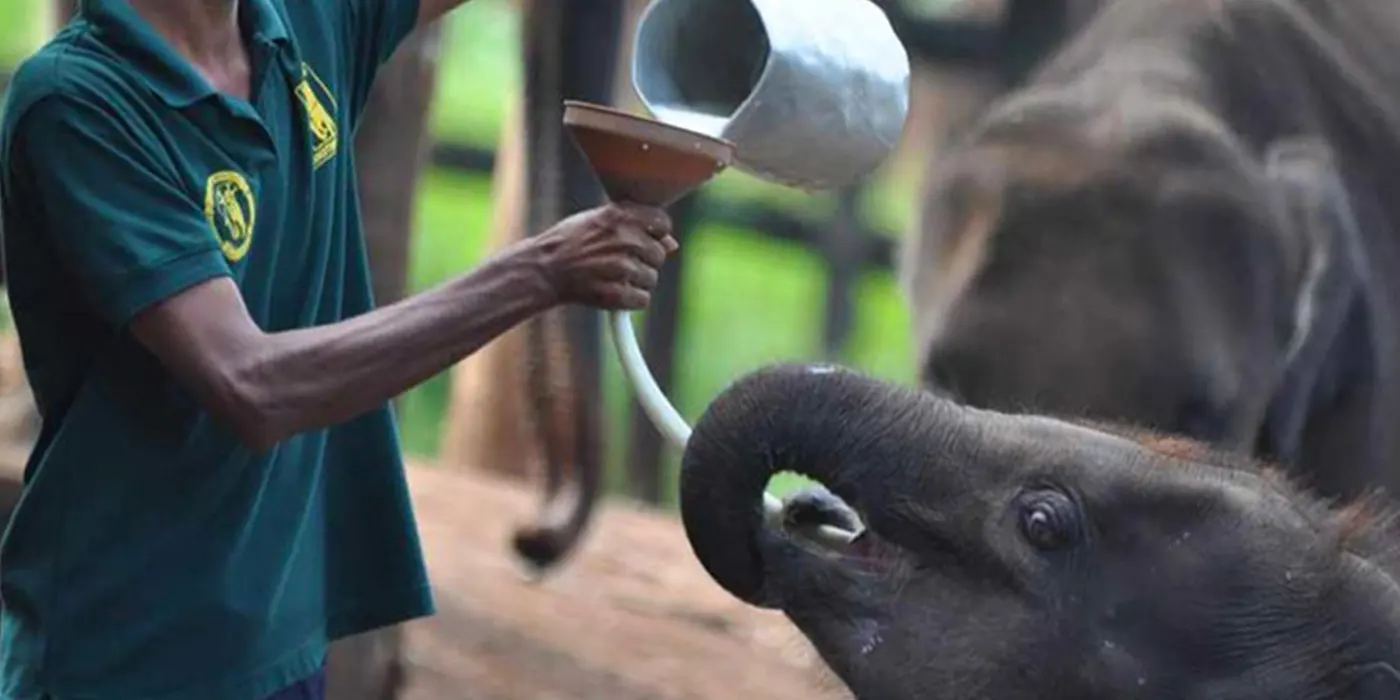
Elephant Transit Home (ETH)
The Park's Historical and Cultural Significance
Safari Adventures
Best Times to Visit
- Dry Season: May to September, when animals gather around water sources.
- Monsoon Season: Though less ideal for safaris, the park’s lush greenery during this period is breathtaking.
👉 Join our SerenLanka Journeys WhatsApp Channel for insider insights and exclusive updates on Sri Lanka’s top attractions.
Practical Travel Tips
- Entry Fee: Fees include a charge per vehicle and per person, contributing to conservation efforts.
- What to Bring: Comfortable clothing, sunscreen, hats, binoculars, and a good camera.
- Guided Tours: Opt for tours led by licensed naturalists to enhance your understanding of the park’s ecosystem.
Udawalawe’s Conservation Challenges
👉 Join our SerenLanka Journeys WhatsApp Channel for insider insights and exclusive updates on Sri Lanka’s top attractions.
Beyond the Park: Local Experiences
- Village Visits: Engage with local communities and learn about their coexistence with the park.
- Traditional Cuisine: Savor authentic Sri Lankan meals, including spicy curries and fresh coconut sambol.
- Cultural Performances: Witness traditional drumming and dance events organized in nearby villages.
Stay Connected with SerenLanka Journeys!
Want more travel inspiration, insider tips, and updates on Sri Lanka’s must-visit destinations? 🌴✨ Join our SerenLanka Journeys WhatsApp Channel and stay ahead in planning your dream trip!
👉 Click here to join: https://whatsapp.com/channel/0029VaxQ7dTLI8YQ0YoW5247
Explore Sri Lanka with us like never before! 🌏


Comments
Post a Comment