Trincomalee: The Timeless Gem of Sri Lanka’s Northeastern Coast
👉 Join our SerenLanka Journeys WhatsApp Channel for insider insights and exclusive updates on Sri Lanka’s top attractions.
Trincomalee: The Timeless Gem of Sri Lanka’s Northeastern Coast
Welcome to Trincomalee, a destination of breathtaking natural beauty, ancient history, and spiritual allure. Nestled along Sri Lanka's northeastern coastline, Trincomalee is famed for its deep natural harbor, pristine beaches, and cultural richness. It seamlessly blends mythologies, colonial history, biodiversity, and tranquil island charm, making it a must-visit for history buffs, beach lovers, and spiritual seekers.

A Harbor Steeped in History and Strategy
The Natural Marvel
Trincomalee’s natural deep-water harbor is among the largest and most strategically important in the world. Known as Gokanna or Gokarna in ancient texts, this harbor has attracted explorers, traders, and conquerors for centuries. Its strategic significance led to fierce battles among colonial powers like the Portuguese, Dutch, French, and British.
- Mythical Origins: According to Hindu mythology, the harbor was a gift from the ocean god Varuna to King Ravana as a token of respect for his devotion to Lord Shiva.
- Modern Legacy: Today, the harbor remains vital for Sri Lanka’s maritime and naval operations, retaining its historical importance.
Colonial Influence
The Portuguese were the first Europeans to recognize the harbor's value, building Fort Frederick atop Swami Rock in 1624. This fort was later expanded by the Dutch and British, becoming a key military outpost. Visitors can walk through its historic gates, now flanked by local vendors and roaming deer.
👉 Join our SerenLanka Journeys WhatsApp Channel for insider insights and exclusive updates on Sri Lanka’s top attractions.
Sacred Sites and Spiritual Legacies
Koneswaram Temple: The Temple of a Thousand Pillars
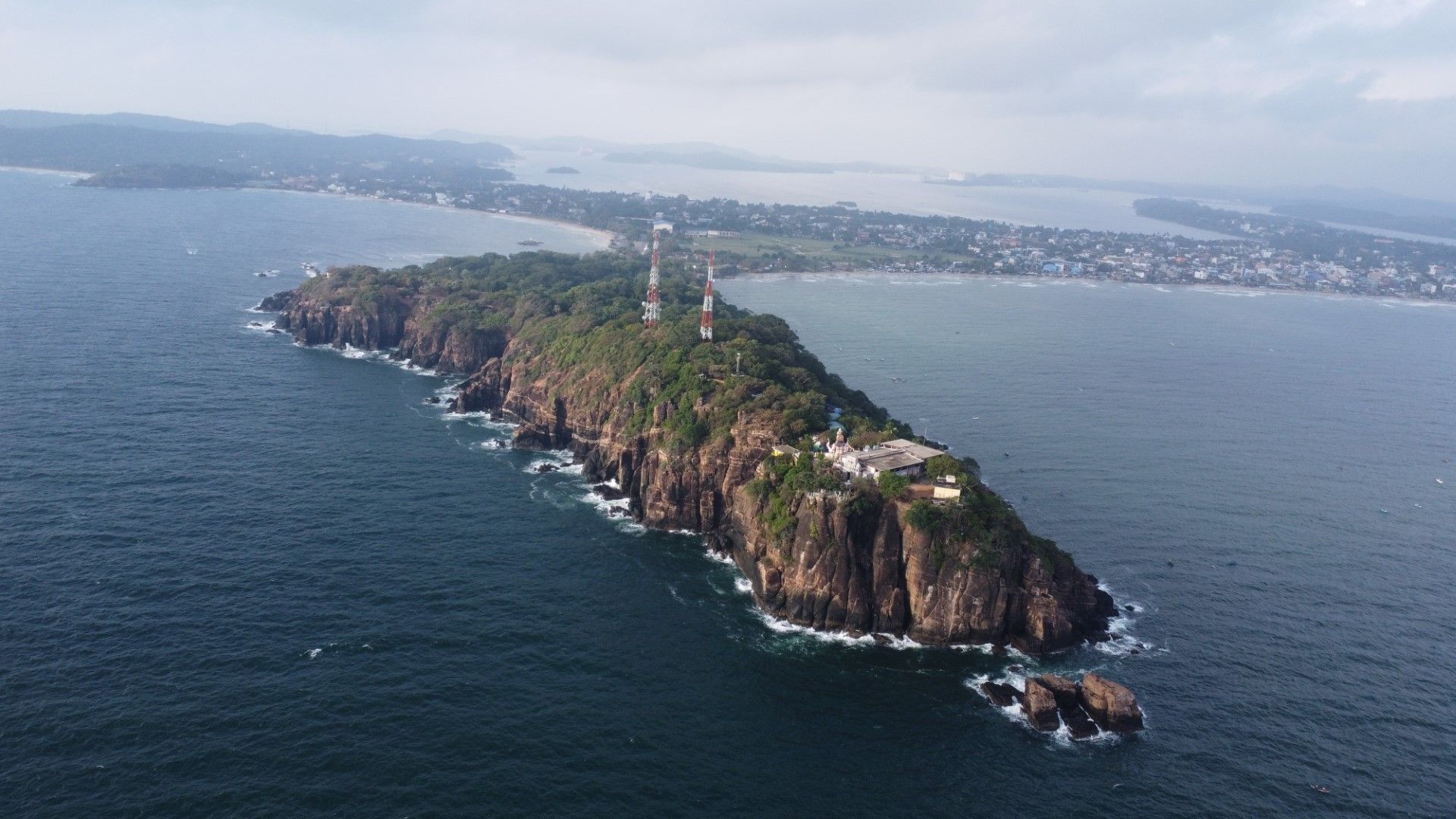
Situated on Swami Rock, the Koneswaram Temple is an iconic Hindu shrine dedicated to Lord Shiva. Perched dramatically 350 feet above the Indian Ocean, it is one of Sri Lanka’s five sacred Panch Ishwarams.
- Ramayana Connection: Mythology links this temple to King Ravana, who prayed here to Lord Shiva to seek power and blessings.
- Portuguese Destruction: Tragically, the temple was destroyed by Portuguese colonizers, and many artifacts were lost. However, the temple was rebuilt in the 20th century, restoring its sanctity and grandeur.
Visitors often marvel at the Lovers’ Leap, a cliff beside the temple with its own poignant tale of love and loss.
Kanniya Hot Springs
Located just outside the city, the Kanniya Hot Springs are a cluster of seven wells of varying temperatures. Local lore connects these springs to King Ravana, who is said to have created them to perform last rites for his mother. The springs are now a serene retreat for visitors seeking relaxation.
Beaches and Marine Wonders
Nilaveli and Uppuveli Beaches
These golden-sand beaches are renowned for their tranquility and scenic beauty.
- Nilaveli Beach: Perfect for snorkeling, diving, and basking in the sun.
- Uppuveli Beach: Offers a more rustic charm, ideal for those seeking quiet seclusion.
Pigeon Island National Park
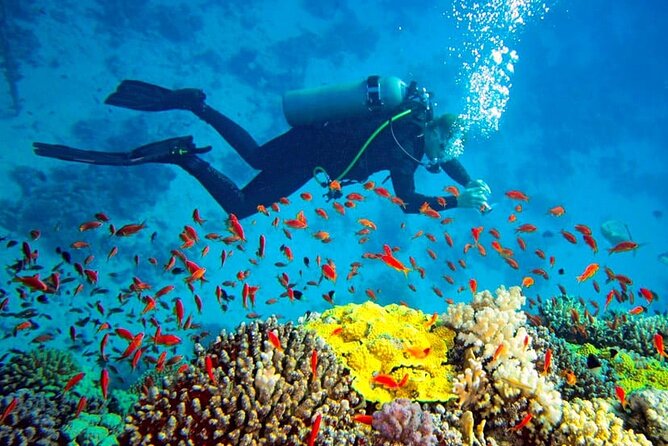
A short boat ride from Nilaveli lies Pigeon Island, a marine haven home to vibrant coral reefs and exotic marine species, including reef sharks. This is a must-visit for snorkeling and diving enthusiasts.
Whale and Dolphin Watching
The deep waters around Trincomalee are a haven for blue whales, sperm whales, and playful spinner dolphins. Eco-friendly tours offer unforgettable encounters with these majestic creatures, especially from May to October.
👉 Join our SerenLanka Journeys WhatsApp Channel for insider insights and exclusive updates on Sri Lanka’s top attractions.
Myths, Legends, and Folklore
Trincomalee is steeped in mythical tales, adding a layer of mystique to its already rich history.
- The Ocean’s Whisper: Locals believe Swami Rock is a sacred spot where divine voices are carried by the wind.
- Ravana’s Legacy: Many landmarks, including the hot springs and Koneswaram Temple, are tied to King Ravana, a figure from the Ramayana. His deep connection to the land adds mythical depth to the city’s narrative.
- The Serene Guardians: Swami Rock is believed to be protected by divine beings, ensuring the sanctity of Koneswaram Temple and its surroundings.
Diverse Ecosystems and Wildlife
Kokkilai Lagoon
A haven for migratory birds like flamingos and pelicans, the Kokkilai Lagoon is a picturesque spot for nature lovers and birdwatchers.
Marine Ecosystems
The coral reefs around Trincomalee, particularly near Pigeon Island, are vital for marine biodiversity. Efforts are ongoing to preserve these fragile underwater ecosystems.
Mangroves
The coastal mangroves serve as a natural barrier against erosion while providing a habitat for diverse flora and fauna.
👉 Join our SerenLanka Journeys WhatsApp Channel for insider insights and exclusive updates on Sri Lanka’s top attractions.
Culture and Cuisine
Cultural Diversity
Trincomalee is a melting pot of cultures, with Tamil, Sinhalese, and Muslim communities living harmoniously. This diversity is reflected in the city’s festivals, temples, and mosques.
Delectable Seafood
Savor local culinary delights like:
- Crab Curry: A spicy specialty featuring fresh lagoon crabs.
- String Hoppers and Sambol: A traditional breakfast dish.
- Seafood Platters: Grilled fish, prawns, and lobsters, often caught fresh from the harbor.
Practical Information for Travelers
- Best Time to Visit: March to August for beach activities, and May to October for whale-watching.
- Getting Around: Tuk-tuks, bicycles, and scooters are great for exploring the city and its outskirts.
- What to Pack: Comfortable clothing, sunscreen, snorkeling gear, and a camera for capturing unforgettable moments.
Trincomalee is a destination that transcends time, offering visitors a unique blend of history, myth, and natural beauty. Whether you’re diving into its pristine waters, walking through its historic forts, or meditating at its sacred temples, the city promises experiences that linger in the heart.
Discover Trincomalee with SerenLanka Journeys, where every adventure tells a story.
Stay Connected with SerenLanka Journeys!
Want more travel inspiration, insider tips, and updates on Sri Lanka’s must-visit destinations? 🌴✨ Join our SerenLanka Journeys WhatsApp Channel and stay ahead in planning your dream trip!
👉 Click here to join: https://whatsapp.com/channel/0029VaxQ7dTLI8YQ0YoW5247


Comments
Post a Comment