Sinharaja Forest Reserve: A Hidden Jewel of Biodiversity and Natural Wonder
👉 Join our SerenLanka Journeys WhatsApp Channel for insider insights and exclusive updates on Sri Lanka’s top attractions.
Sinharaja Forest Reserve: A Hidden Jewel of Biodiversity and Natural Wonder
Nestled in the southwest of Sri Lanka, the Sinharaja Forest Reserve stands as one of the last pristine rainforests in the world. Declared a UNESCO World Heritage Site in 1988, Sinharaja is not just a sanctuary of rare flora and fauna but a living testament to the island’s unparalleled ecological significance. Spanning around 11,000 hectares, this tropical rainforest is home to a rich array of endemic species and is often regarded as the crown jewel of Sri Lanka’s biodiversity.
Whether you're an avid wildlife enthusiast, a nature lover, or a trekker seeking to explore the unspoiled beauty of Sri Lanka, Sinharaja promises an unforgettable experience.
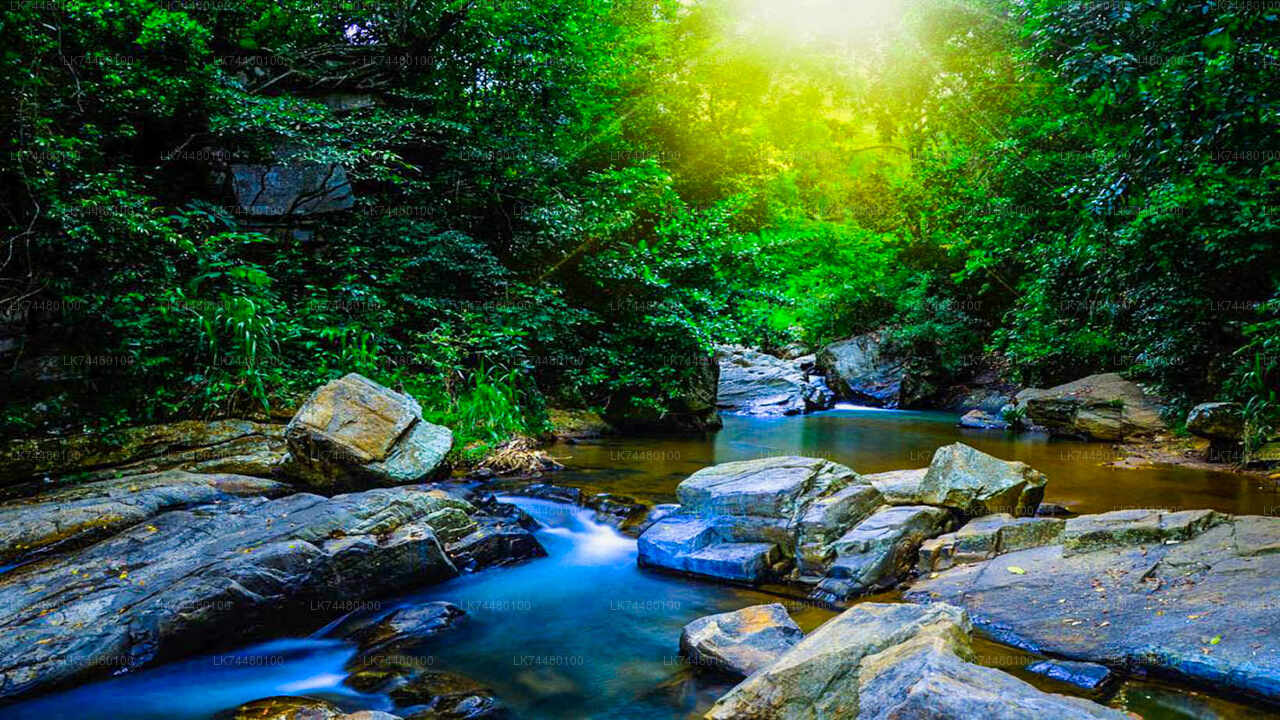
Ecological Significance and Biodiversity
Sinharaja is one of the most biodiverse regions in Sri Lanka and is critical for the conservation of many endemic species. Approximately 60% of the trees in Sinharaja are endemic to Sri Lanka, while its animal population includes a staggering number of unique creatures. The forest is rich in plant species, birds, amphibians, reptiles, and insects, making it a haven for ecologists and conservationists.
Flora and Fauna of Sinharaja
Sinharaja is a tropical lowland rain forest, characterized by tall trees that form a dense canopy. Here are some key highlights of the flora and fauna:
- Flora:
- The forest is home to species like the Dipterocarpus zeylanicus and Shorea robusta, some of the tallest trees in Sri Lanka.
- Endemic plant species include the Cinnamomum verum (cinnamon), Horsfieldia species, and many types of orchids, ferns, and palms.
- The forest floor is rich in ground vegetation like wild ginger, climbing plants, and moss-covered trees.
- Fauna:
- The Sri Lanka leopard (Panthera pardus kotiya) roams the forest, though sightings are rare.
- The purple-faced langur (Trachypithecus vetulus) and Sri Lanka giant squirrel (Ratufa macroura) are frequently spotted in the trees.
- Among the birdlife, the Sri Lanka blue magpie (Urocissa ornata) and Sri Lanka green pigeon (Treron pompadora) are among the most iconic species. The forest is a birdwatcher’s paradise, with over 20 endemic bird species.
- Reptiles such as the Sri Lanka pit viper and green pit viper (Trimeresurus trigonocephalus) add to the intrigue of the forest.
- The yellow-faced bat (Myotis mystacinus) and numerous species of frogs thrive in the moist environment.

- Endemic Species
- Sri Lanka’s Endemic Tree Frog: Found only in Sinharaja, this small amphibian has adapted to the moist conditions of the rainforest.
- Sinharaja Shrew: A tiny mammal that resides in the undergrowth, the shrew is considered a rare species endemic to Sinharaja.
- Sri Lanka Drongo: A striking black bird, which is famous for its acrobatic flight and is often seen darting among the forest canopies.
Sinharaja’s biodiversity is not just a scientific marvel but also a natural treasure for tourists seeking to witness these rare and endangered species in their natural habitat.
👉 Join our SerenLanka Journeys WhatsApp Channel for insider insights and exclusive updates on Sri Lanka’s top attractions.
Sinharaja and Local Legends
In addition to its ecological importance, Sinharaja is steeped in mythology and folklore. The name Sinharaja itself means “Lion King’s Forest” in Sinhalese, which some believe refers to a time when lions roamed the forest. According to one local legend, the Sinharaja lion was a magnificent beast that ruled over the forest and protected its inhabitants. Though the lions are long gone, their legacy lives on in the name of the forest.
The forest also has a mystical aura in Sri Lankan culture, as it has been considered sacred by local communities for centuries. It is believed to be a protector of spiritual power, and some remote villages surrounding the forest hold rituals that honor the "spirit of Sinharaja." There are stories of wandering monks seeking enlightenment within its depths, where the forest itself is said to guide those on spiritual journeys.

Exploring Sinharaja Forest: Trekking Routes and Trails
Sinharaja is best explored on foot. Several well-marked trekking routes lead visitors deep into the heart of the forest, where the real magic happens. While visiting the reserve, it’s recommended to be accompanied by a local guide, as they can provide rich insights into the forest’s flora, fauna, and history.
- The Main Entrance (Pitawala Path): A relatively easy trail leading from the Pitawala entrance, perfect for families or those seeking a shorter walk. This trail offers a glimpse of Sinharaja’s lush greenery and occasional wildlife sightings.
- The Gona Kele Trail: This more challenging route takes you through denser parts of the forest and offers an excellent opportunity to spot rare birds and monkeys.
- The Kudawa Trail: Starting from Kudawa, this trail is one of the most popular among trekkers and birdwatchers. It winds through dense forests and past serene waterfalls.
- Trekking to the Waterfalls: The Gurutha Ella and Sinharaja Falls are two of the most beautiful waterfalls located in the forest. Their serene beauty offers a perfect resting point after an invigorating trek through the rainforest.

👉 Join our SerenLanka Journeys WhatsApp Channel for insider insights and exclusive updates on Sri Lanka’s top attractions.
Flora and Fauna in Sinharaja Forest
Sinharaja is home to some unique and rare species that aren’t found anywhere else in the world. The forest is often called a living museum, a place where the biological wealth of Sri Lanka is preserved in its purest form. Here’s a brief look at some notable species:
- The Sri Lanka Blue Magpie: A striking bird known for its vibrant blue plumage and long tail feathers. It's one of the most iconic birds of Sinharaja.
- The Red-faced Malkoha: A rare bird with a distinctive red face, found only in Sri Lanka and part of the forest’s avian wonders.
- The Green Pit Viper: A venomous but elusive snake that can often be spotted gliding through the underbrush.
- The Elephant Apple Tree: An important plant species in Sinharaja, its fruit is large and green, resembling an elephant's ear. It is crucial for maintaining the diet of several animals in the forest.
The Climate of Sinharaja
The weather in Sinharaja is typically tropical and humid, with temperatures ranging between 20°C to 30°C. However, it can get cooler at higher elevations. Rainfall is heavy throughout the year, and the forest’s lush vegetation thrives in this moist environment. Sinharaja is most accessible during the dry season from December to April, but the wet season from May to November is also a magical time when the forest comes alive with new growth.
Best Time to Visit
- November to March: The weather is more favorable during this period, with less rain and more sunshine, making it ideal for trekking and wildlife spotting.
- April to October: The monsoon season brings a different kind of beauty, with the forest more verdant and alive, although trails may be slippery and less accessible.
👉 Join our SerenLanka Journeys WhatsApp Channel for insider insights and exclusive updates on Sri Lanka’s top attractions.
Conservation and the Future of Sinharaja
Sinharaja has faced many threats over the years, including deforestation and illegal logging. However, conservation efforts by the Sri Lankan government, along with local and international NGOs, have played a vital role in protecting the forest. Today, it stands as one of Sri Lanka's most significant conservation successes.
Sinharaja Forest Reserve is more than just a destination—it's an immersive journey into a pristine world of biodiversity, culture, and natural wonder. Whether you are trekking its lush trails, photographing its wildlife, or simply basking in the serenity of the forest, Sinharaja offers a rare and timeless glimpse into the natural beauty of Sri Lanka.
As a UNESCO World Heritage Site, Sinharaja is not only a haven for nature lovers but a crucial part of Sri Lanka’s cultural heritage, making it a must-visit destination for travelers seeking an authentic, off-the-beaten-path experience. Embrace the mystique of Sinharaja with SerenLanka Journeys, and discover the true heart of Sri Lanka’s wilderness.
Stay Connected with SerenLanka Journeys!
Want more travel inspiration, insider tips, and updates on Sri Lanka’s must-visit destinations? 🌴✨ Join our SerenLanka Journeys WhatsApp Channel and stay ahead in planning your dream trip!
👉 Click here to join: https://whatsapp.com/channel/0029VaxQ7dTLI8YQ0YoW5247
Explore Sri Lanka with us like never before! 🌏


Comments
Post a Comment