Dambulla Cave Temple: A Divine Sanctuary of History, Myth, and Art
👉 Join our SerenLanka Journeys WhatsApp Channel for insider insights and exclusive updates on Sri Lanka’s top attractions.
Dambulla Cave Temple: A Divine Sanctuary of History, Myth, and Art
The Dambulla Cave Temple, also known as the Golden Temple of Dambulla, is a magnificent testament to Sri Lanka's rich history, spirituality, and artistic heritage. Located in the heart of the Cultural Triangle, this UNESCO World Heritage Site is a must-visit for anyone captivated by ancient history, religious devotion, and architectural splendor. With over 2,000 years of history, intriguing legends, and unparalleled artistry, Dambulla Cave Temple offers an unforgettable journey into Sri Lanka's soul.

The Historical Tapestry of Dambulla
Origins in Ancient Times
The temple's history dates back to the 1st century BCE when King Valagamba (Vattagamini Abhaya) sought refuge in the caves during a South Indian invasion. After regaining his throne, the grateful king transformed the caves into a sacred sanctuary dedicated to Buddhism. Over the centuries, succeeding monarchs, including King Nissanka Malla and the Kandyan kings, further enhanced the temple's grandeur with intricate paintings, sculptures, and gold embellishments.
Evolution Through Dynasties
Dambulla served as a thriving monastic center, with the caves continually renovated and expanded to reflect the artistic and spiritual sensibilities of different eras. Today, it stands as the largest and best-preserved cave temple complex in Sri Lanka, drawing pilgrims and travelers from around the globe.
Myths and Legends Surrounding Dambulla
The Blessings of Deities
According to local folklore, the caves were blessed by divine beings to ensure the prosperity and safety of the region. Some believe the temple's aura is protected by the Nāga (serpent) deities, who ensure the sanctity of the sacred site.
The Golden Cave
One legend suggests that the main cave, referred to as the Golden Cave, was imbued with gold by celestial beings as a token of gratitude for King Valagamba's devotion. This myth gave rise to the temple's modern moniker, the "Golden Temple."
Ravana's Connection
Dambulla is also linked to the epic Ramayana, with some myths suggesting that King Ravana used the caves as secret meditation chambers. Though not historically verified, these tales add an element of intrigue to the site.
👉 Join our SerenLanka Journeys WhatsApp Channel for insider insights and exclusive updates on Sri Lanka’s top attractions.
Exploring the Five Sacred Caves
The Dambulla Cave Temple consists of five main caves, each with its own unique character, sculptures, and paintings. Together, they house over 150 statues of Buddha, along with depictions of gods, goddesses, and historical figures.
1. Devaraja Viharaya (Temple of the King of Gods)
- Features a colossal 15-meter reclining Buddha carved from the rock.
- A statue of the Hindu god Vishnu, revered in Sri Lanka, is also present, symbolizing the temple's harmonious integration of Hinduism and Buddhism.
2. Maharaja Viharaya (Temple of the Great Kings)
- Houses statues of King Valagamba and King Nissanka Malla, alongside a central Buddha image.
- The cave is adorned with vibrant murals that narrate Buddha's life and teachings.
3. Maha Aluth Viharaya (Great New Monastery)
- Known for its striking Kandyan-era paintings, covering the ceilings and walls in intricate patterns and vivid hues.
4. Pachima Viharaya (Western Temple)
- This cave's focal point is a serene seated Buddha, surrounded by smaller statues that create an atmosphere of tranquility.
5. Devana Aluth Viharaya (Second New Monastery)
- Houses unique statues of Hindu gods, emphasizing the region’s multi-religious heritage.

Artistry and Architecture
Frescoes
The caves are adorned with over 2,100 square meters of murals, making it one of the largest collections of ancient painting in the world. These vibrant frescoes depict:
- Jataka tales: Stories from Buddha’s previous lives.
- Scenes of daily life, rituals, and celestial visions.
Sculptures
The statues range from the towering Buddha figures to smaller representations of Hindu deities like Vishnu and Saman, demonstrating the harmonious coexistence of different faiths in ancient Sri Lanka.
Rock-Carved Architecture
The caves were meticulously carved into the massive rock face, with natural features like stalactites enhancing their ethereal beauty.
👉 Join our SerenLanka Journeys WhatsApp Channel for insider insights and exclusive updates on Sri Lanka’s top attractions.
Biodiversity and Surrounding Natural Beauty
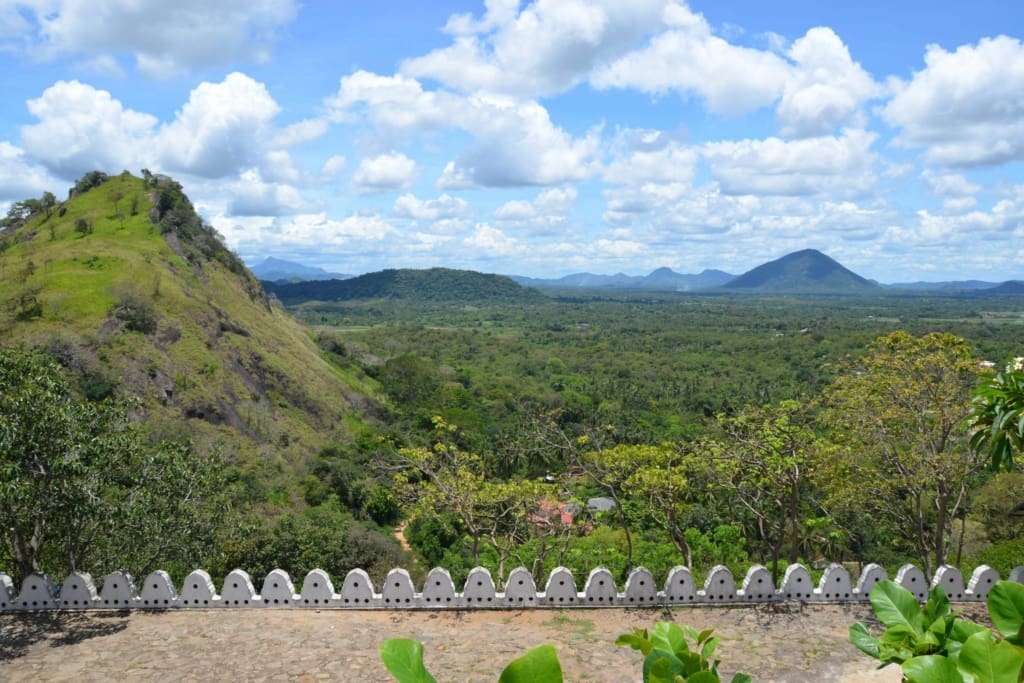
The temple is perched atop a 160-meter-high rock, offering panoramic views of the surrounding Matale Plains, Sigiriya Rock Fortress, and lush forests.
Flora and Fauna
- The area is rich in endemic plants and birds, making it a haven for nature enthusiasts.
- Troops of monkeys are common near the temple, entertaining visitors with their playful antics.
Practical Information for Travelers
Getting There
Dambulla is easily accessible from Kandy, Sigiriya, and other cultural triangle destinations. Buses, tuk-tuks, and private cars are common modes of transport.
Best Time to Visit
The temple can be visited year-round, but mornings or late afternoons are ideal to avoid the midday heat.
Entry Fee
An entrance ticket costs approximately $10, which includes access to the museum and temple complex.
What to Wear
As a religious site, modest clothing covering shoulders and knees is required. Footwear must be removed before entering the temple.
👉 Join our SerenLanka Journeys WhatsApp Channel for insider insights and exclusive updates on Sri Lanka’s top attractions.
Insider Tips for an Enriching Experience
- Climb with Purpose: The climb to the temple involves around 200 steps, so pace yourself and enjoy the stunning views along the way.
- Guided Tours: Hiring a local guide enriches the experience, as they can narrate the historical and mythological significance of each cave.
- Photography: While photography is allowed, flash use is prohibited to protect the murals.
The Dambulla Cave Temple is more than a historical landmark; it’s a living symbol of Sri Lanka’s spiritual and cultural journey. From its ancient origins and sacred myths to its artistic treasures and stunning vistas, the temple offers an experience that resonates deeply with all who visit.
Whether you’re a history enthusiast, a spiritual seeker, or a lover of art and nature, Dambulla Cave Temple promises to leave you spellbound. Embark on this timeless journey with SerenLanka Journeys and discover the heart of Sri Lanka's rich heritage.
Stay Connected with SerenLanka Journeys!
Want more travel inspiration, insider tips, and updates on Sri Lanka’s must-visit destinations? 🌴✨ Join our SerenLanka Journeys WhatsApp Channel and stay ahead in planning your dream trip!
👉 Click here to join: https://whatsapp.com/channel/0029VaxQ7dTLI8YQ0YoW5247
Explore Sri Lanka with us like never before! 🌏


Comments
Post a Comment